Technical Insights
2026年3月4日
The Ultimate Guide to Steel Structures: Material Selection and Connection Techniques
This guide explores the pros and cons of structural steel, selection rules for Q235/Q345, and the differences between high-strength bolting and automated welding.
The Steel Backbone of Modern Construction
From the massive piers of cross-sea bridges to the core tubes of towering skyscrapers, steel structures have become the indispensable "skeleton" of modern architecture thanks to their irreplaceable mechanical advantages. However, steel engineering is not just about building with giant Lego blocks. How do you choose the right grade of steel? How do you guarantee absolute safety at the connection points?
As veterans deeply rooted in heavy-duty steel formwork and steel structure manufacturing, we have systematically compiled the core fundamentals of steel structures. This guide is designed to help you make smarter engineering decisions on your next project.
1. The "Double-Edged Sword" Characteristics of Steel
Experienced engineers know that steel structures come with distinct pros and cons:
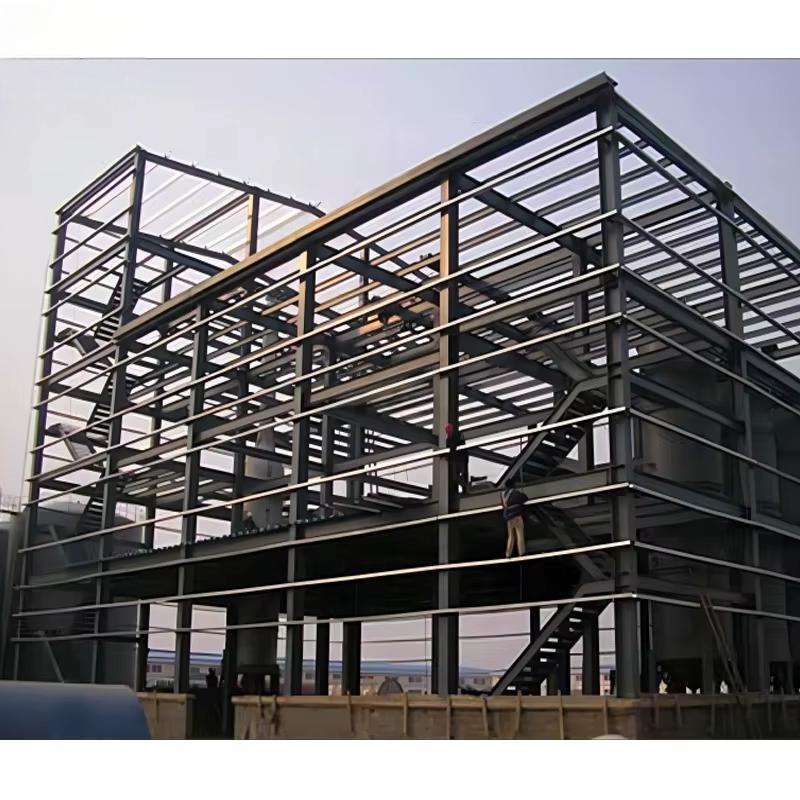
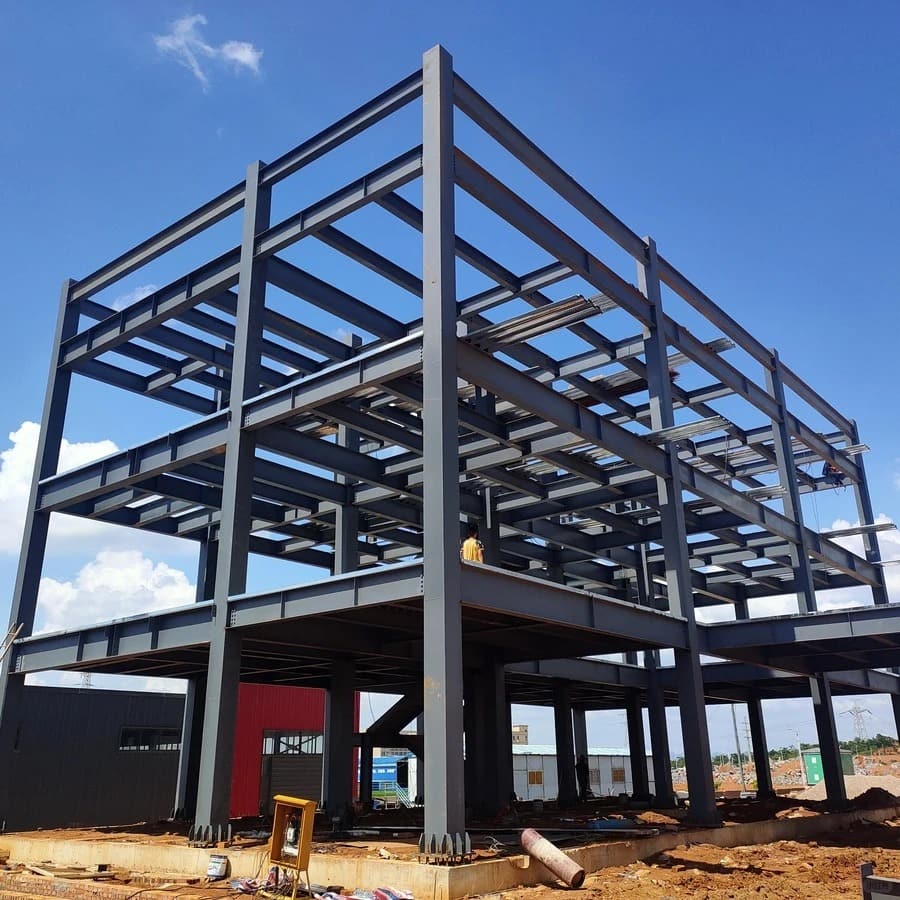
- Unmatched Advantages: Steel offers an exceptionally high strength-to-weight ratio (lightweight yet incredibly strong) and outstanding seismic and impact resistance. More importantly, steel construction relies heavily on industrial prefabrication. Once high-precision processing is completed in a factory (like our 20,000 sqm manufacturing base), on-site work is reduced to rapid assembly, drastically cutting down project timelines.
- The Pain Points You Must Face: Steel's biggest enemies are corrosion and extreme heat. This demands that the manufacturing plant possess top-tier surface treatment capabilities (such as hot-dip galvanizing or multi-layer anti-corrosion coating) and strictly implement fire-resistant coating standards during design.
2. Stop Guessing: The Philosophy of Material Selection
In actual procurement, the most common materials we deal with are Carbon Structural Steel (like Q235) and High-Strength Low-Alloy (HSLA) Structural Steel (like Q345/Q355). Choosing the wrong steel can lead to unnecessary costs at best, or brittle fracture under extreme conditions at worst.
The Three Golden Rules of Selection:
- Match the Load Demands: The importance of the structure and the nature of the load (static vs. dynamic) directly dictate the steel grade you need.
- Guard Against Brittle Fracture: For structures in extremely cold regions or those enduring severe dynamic loads, premium "killed steel" with excellent low-temperature impact toughness must be used.
- Adapt to Processing Techniques: If the components require extensive and complex welding, it is crucial to select alloy structural steel with a low carbon equivalent and excellent weldability.
3. Four Mainstream Steel Structure Systems
As architectural demands have diversified, steel structure technology has evolved into several mature branches:
- Large-Span & High-Rise Structures: Used for skyscrapers and stadiums, primarily utilizing frame, tube, or giant truss structures. These require extremely high processing precision and rigorous ultrasonic testing for welds.
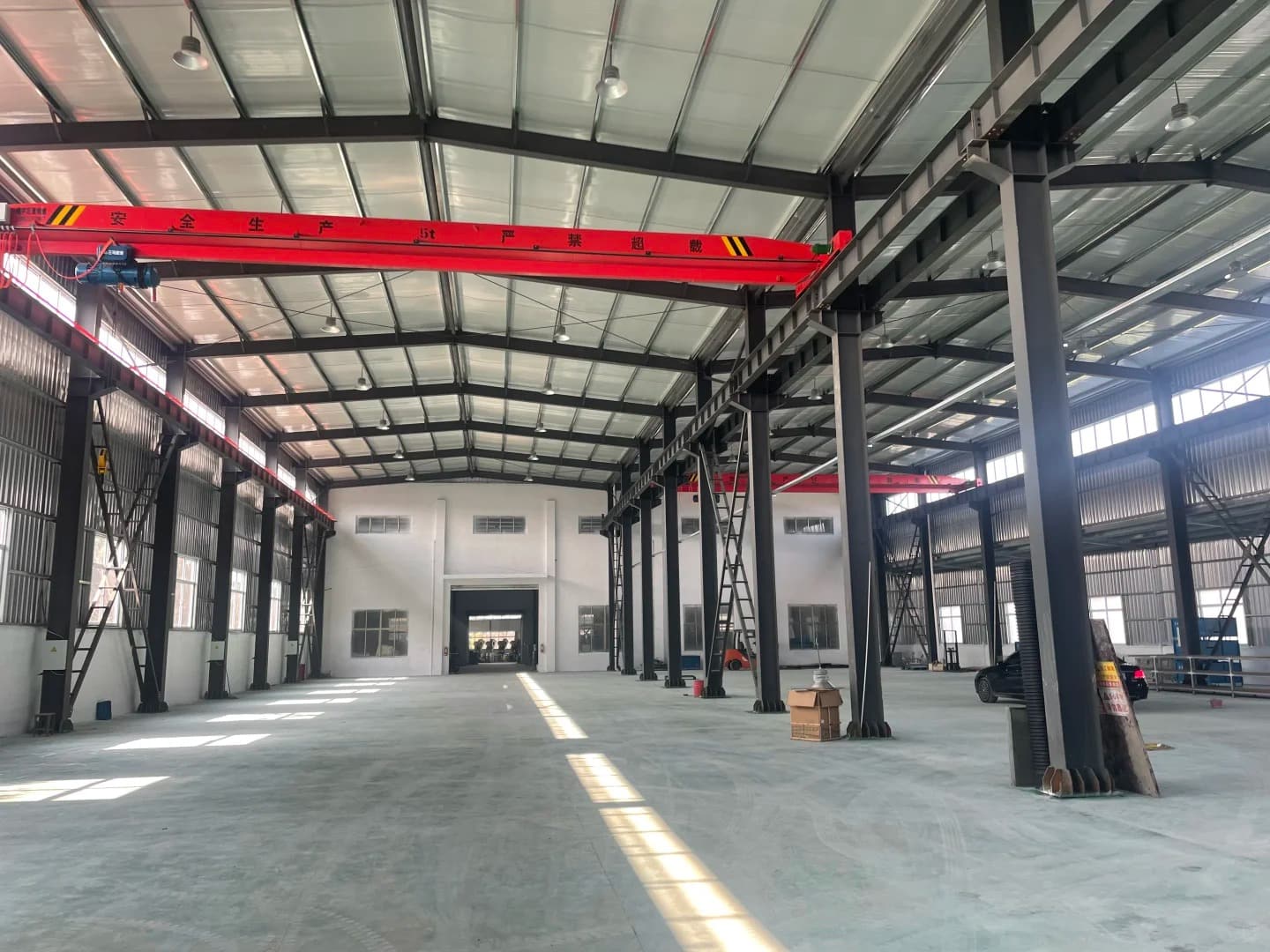
- Light Steel Enclosure Systems: Commonly used in modern industrial plants. Combined with color steel plate enclosures, they offer extremely fast construction and high space utilization.
- Steel-Concrete Composite Structures: Perfectly combining the tensile strength of steel with the compressive stiffness of concrete. This is the current mainstream trend for high-rise bridge piers and building core tubes.
- Precision Connection Systems: This is the key to structural integrity—specifically, the hybrid use of high-strength bolts and high-standard welding.
4. The Chokepoint: An In-Depth Look at Connection Techniques
How do individual steel plates become an indestructible building skeleton? It primarily relies on the following two core connection methods (Note: Traditional riveting has been largely phased out in modern heavy construction due to its cumbersome process and noise):
1. Welding Connections
Welding provides maximum connection stiffness and perfect structural integrity without weakening the cross-section of the components.
- Process Evolution: While manual arc welding is still used for on-site repairs, inside standardized factories, automated/semi-automated gas-shielded welding (like the robotic welding workstations at Hyson) has become the mainstream. Not only does it produce aesthetically pleasing weld seams, but it also ensures consistent penetration, avoiding human-caused stress concentrations and porosity defects.
2. Bolting Connections
If welding is the art of the factory, bolting is the king of efficiency on the construction site. It is easy to install and dismantle, making it particularly suitable for the on-site assembly of modular components.
- Standard vs. High-Strength: Modern load-bearing cores typically use high-strength bolts. Among them, "friction-type" high-strength bolts rely on massive friction between plates to transfer force; they have minimal deformation and excellent fatigue resistance. "Bearing-type" bolts allow for slight slip and offer higher load capacity, mostly used for secondary joints subjected to static loads.
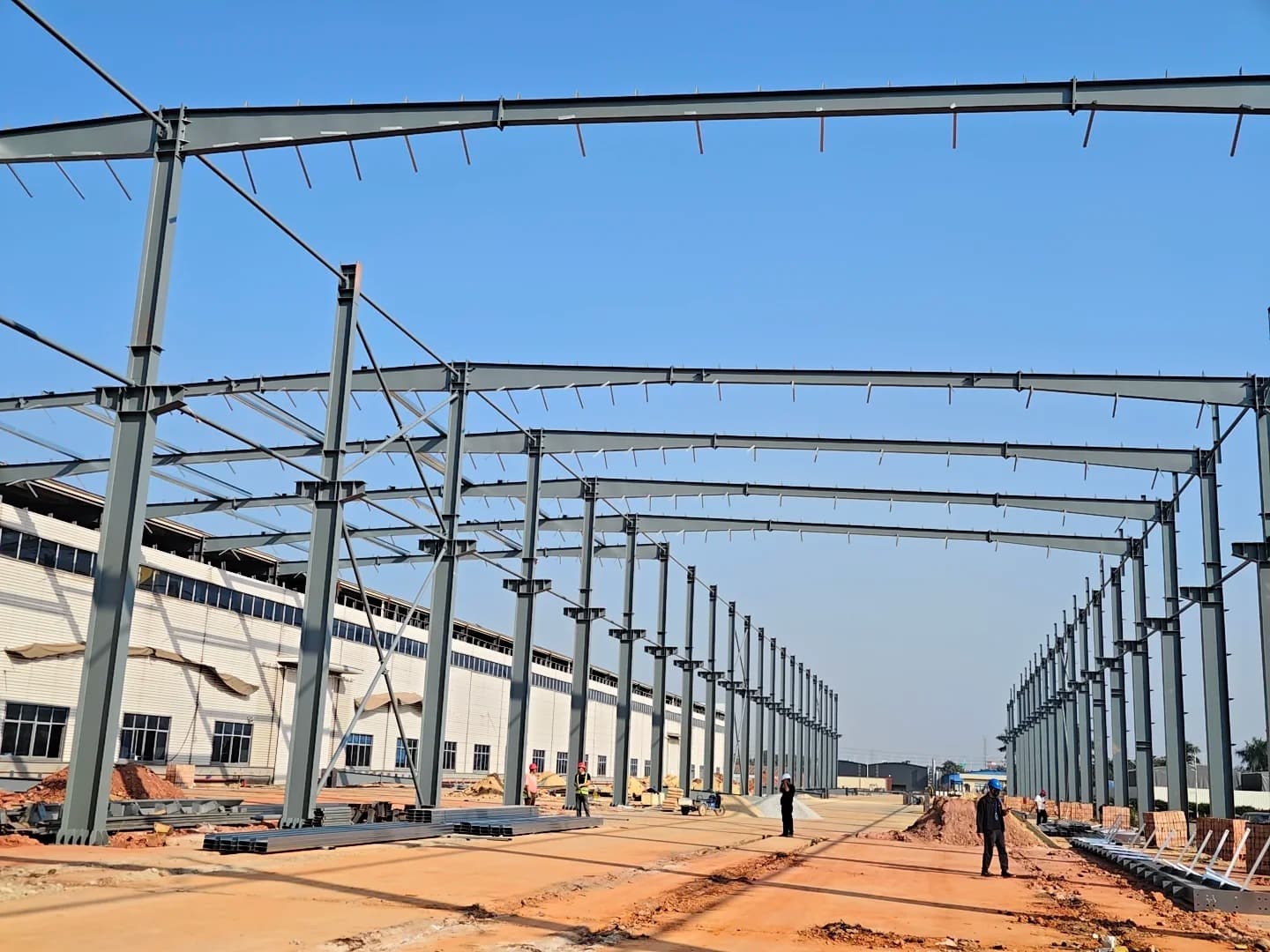
Turning Drawings into Solid Reality
By reasonably selecting material grades, adopting advanced factory processing technologies, and strictly following on-site construction standards, the full potential of steel structures can be unleashed.
A high-quality steel structure project relies on a source manufacturer who understands technology and strictly controls quality. From millimeter-precision laser cutting to fully penetrated welding backed by strict ISO certification, Hyson Industry is dedicated to transforming your engineering drawings into a safe, efficient, and time-tested steel skeleton.
Looking for a reliable partner for custom steel components or formwork fabrication?